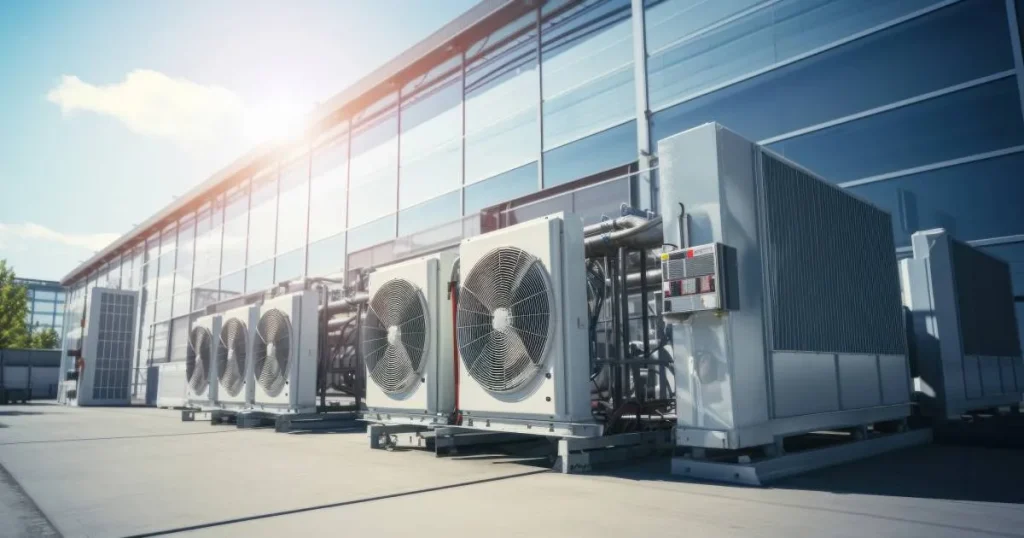
Heating, Ventilation, and Air Conditioning (HVAC) systems play a vital role in making our homes and workplaces comfortable. Whether it’s a hot summer day or a freezing winter night, HVAC systems help control indoor temperature and air quality. But to enjoy all the benefits, proper hvac installation is essential.
In this article, we’ll explore what HVAC installation is, why it’s important, how it works, and what to expect during the process.
What is HVAC Installation?
HVAC installation is the process of setting up a heating and cooling system in a building. It includes placing the equipment, connecting the ducts, setting up controls, and making sure everything works efficiently. This process can be done in new buildings or during the replacement of an old system.
There are different types of HVAC systems, such as:
- Central air conditioning and heating systems
- Split systems
- Heat pumps
- Ductless mini-splits
- Furnaces and boilers
Each system requires specific tools and skills to install correctly.
Why Proper HVAC Installation Matters
A well-installed HVAC system offers many benefits:
1. Energy Efficiency
If the system is installed correctly, it uses less energy and keeps your electricity bills lower. Poor installation can lead to energy loss and frequent repairs.
2. Comfort
With proper airflow and temperature control, you’ll feel more comfortable inside your home or office.
3. Indoor Air Quality
Good HVAC systems filter out dust, pollen, and other pollutants. A bad installation may allow dirty air to circulate, which can affect your health.
4. Longer System Life
Installing the system properly ensures that it runs smoothly for many years without problems.
Steps in HVAC Installation
Installing an HVAC system involves several key steps. Here’s a simple breakdown:
1. Assessment and Planning
Before anything is installed, an HVAC technician will assess your home or building. They check the size of the space, insulation levels, number of rooms, and existing ductwork (if any). This helps them recommend the right size and type of system for your needs.
2. Choosing the Right System
Based on the assessment, the installer will help you select the best system for your home. It’s important to choose a system that fits your space and budget. Energy efficiency ratings like SEER (Seasonal Energy Efficiency Ratio) and AFUE (Annual Fuel Utilization Efficiency) also matter.
3. Removing the Old System (if needed)
If you’re replacing an old HVAC unit, the technician will first disconnect and remove it safely.
4. Installing the New Equipment
The main equipment — such as the furnace, air con installation or heat pump — is then installed. This includes placing the indoor and outdoor units, connecting electrical wiring, and ensuring refrigerant lines are properly sealed.
5. Installing or Upgrading Ductwork
If your home already has ducts, they might need cleaning or sealing. In some cases, new ducts will be installed to match the new system.
6. Connecting the Thermostat
The thermostat is the control center of your HVAC system. Whether it’s a basic model or a smart thermostat, the technician will wire it and test it.
7. Testing the System
Once everything is connected, the technician runs the system to make sure it works perfectly. They will test air pressure, temperature levels, and look for any leaks.
How Long Does HVAC Installation Take?
The time needed for HVAC installation depends on several factors:
- Size of the home
- Type of system
- Ductwork requirements
- Weather conditions
On average, a full installation takes 1 to 3 days. Simple replacements may be done in less than a day.
How Much Does HVAC Installation Cost?
The cost of HVAC installation varies based on the system, the size of the building, and the complexity of the job. On average:
- Central HVAC system installation: $5,000 to $12,000
- Ductless mini-split systems: $2,000 to $8,000
- Furnace or AC unit replacement: $3,000 to $7,000
Always get multiple quotes from licensed HVAC contractors before making a decision.
Tips for a Successful HVAC Installation
Here are some useful tips to ensure the installation goes smoothly:
- Hire a licensed and experienced HVAC contractor
- Make sure they perform a proper home inspection
- Ask about warranties on both labor and equipment
- Choose energy-efficient models to save money long-term
- Maintain your system regularly after installation
Final Thoughts
Proper HVAC installation is a key investment in your home’s comfort and efficiency. While it may seem like a big job, a skilled professional can handle it smoothly and safely. From choosing the right system to the final test run, every step matters. Always take the time to do it right, and you’ll enjoy clean, comfortable air for many years to come.
If you’re planning to install or upgrade your HVAC system, consult a trusted HVAC technician and discuss your needs today!