Online media competes for a limited resource. That resource is user attention.
In an environment dominated by social platforms, short videos, and a constant flow of information, traditional static formats are losing effectiveness. Audiences respond more strongly to content that requires participation.
Interactive formats have become a strategic tool for retaining attention. They combine elements of play, choice, and immediate feedback.
For professionals and managers in digital media, this model offers a valuable example of how engagement psychology can be integrated into content strategy.
Interactive Formats and Mechanisms of User Attention
Why Interactivity Increases Engagement
When a user simply reads text, their attention remains passive. When they must make a choice, attention becomes active.
Psychological research shows that active participation increases the time a person spends on a platform. This happens due to three core mechanisms:
- sense of control
- expectation of outcome
- immediate feedback
Interactive elements create an engagement loop. The user takes action. Receives a result. Then wants to repeat the process.
The Role of Game Mechanics
Gamification applies game principles in non-game environments. These principles include randomness, choice, and repeatability.
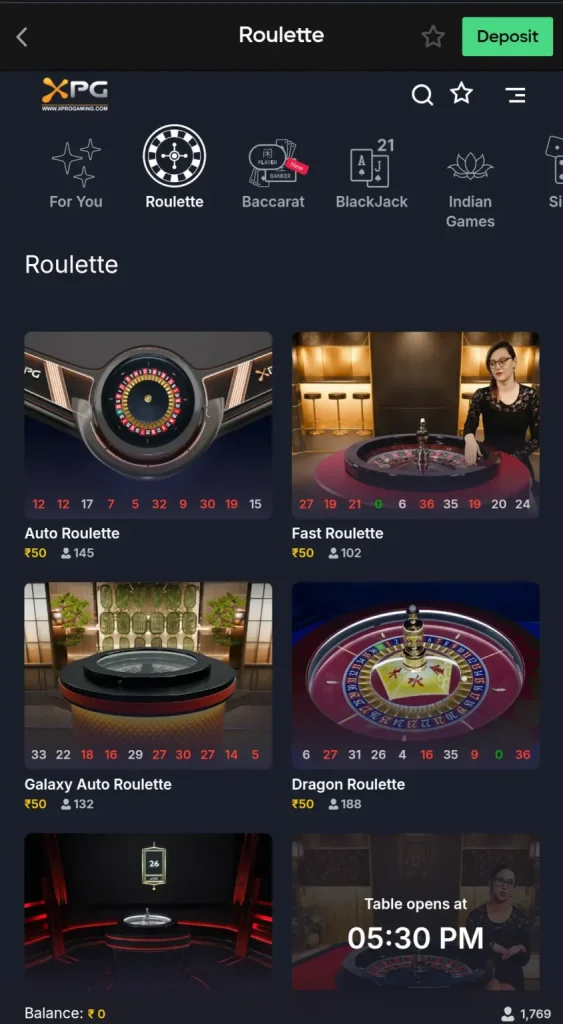
Roulette as a format demonstrates the strength of this model. The user does not know what the outcome will be. This creates tension and interest.
Such mechanics are not limited to games. Online media integrates them through polls, quizzes, random questions, and interactive tools.
An example of this system can be seen in a resource like question roulette. The page explains how question-based formats work and how random selection creates dynamic interaction with the user. The core value is educational. The user understands the logic behind randomness and how it drives participation.
This combination of information and interaction increases time spent on the page.
Unpredictability as a Driver of Attention
The human brain reacts strongly to unpredictable events. When the outcome is uncertain, attention stays focused.
This mechanism is widely used in digital platforms. Social media, games, and news websites often include elements of surprise.
Interactive question formats rely on the same principle. The user does not know what the next question or result will be.
This unpredictability creates a psychological trigger to continue interacting.
Behavioral Engagement Loop
Interactive systems usually follow a clear behavioral model.
This model can be described as:
- The user sees an interactive element
- The user takes action
- The system provides a result
- The user experiences an emotional reaction
- The cycle starts again
This loop sustains attention longer than passive content.
The Psychology of Retention and Long-Term Media Strategy
The Importance of User Participation
Media platforms can no longer rely only on publishing articles. Modern audiences expect interaction.
When a user participates actively, their connection with the platform becomes stronger. The user is not just consuming content. They become part of it.
This creates a deeper level of engagement.
Long-Term Benefits for Media Platforms
Interactive formats affect several key performance metrics.
The main effects include:
- longer time on page
- higher return frequency
- increased likelihood of content sharing
- stronger connection between user and brand
These factors are critical for sustainable growth in online platforms.
The Psychological Effect of Micro-Rewards
Interactive systems often use small rewards. This can be an interesting result, a new question, or unexpected content.
These micro-rewards activate the brain’s dopamine system. The user experiences a short sense of satisfaction.
Then they want to repeat the experience.
In digital platforms, this mechanism plays a key role in audience retention.
Interactivity as Part of Editorial Strategy
For editors and media managers, interactivity should not be an occasional addition. It should be part of the editorial model.
A strategic approach may include:
- integrating interactive elements into articles
- creating themed quizzes and question-based formats
- combining informational content with user participation
- analyzing user behavior to optimize formats
This approach allows media platforms to remain competitive.
Balancing Content and Interaction
Interactivity should not replace high-quality content. It should enhance it.
If a platform relies only on game mechanics, its value decreases.
The most successful media platforms combine analytical content with interactive tools. This creates a balance between information and participation.
Conclusion
User attention has become the most valuable resource in the digital environment. Online media must constantly adapt their strategies to retain audiences.
Interactive formats provide an effective solution. They activate psychological mechanisms such as participation, anticipation, and reward. These mechanisms increase engagement and time spent on the platform.
Question-based games and roulette formats show how randomness and choice can create a dynamic user experience.
For digital media professionals, the key takeaway is clear. Successful platforms do not only publish content. They create environments for participation.
When information is combined with interactivity, audience attention becomes a sustainable asset.