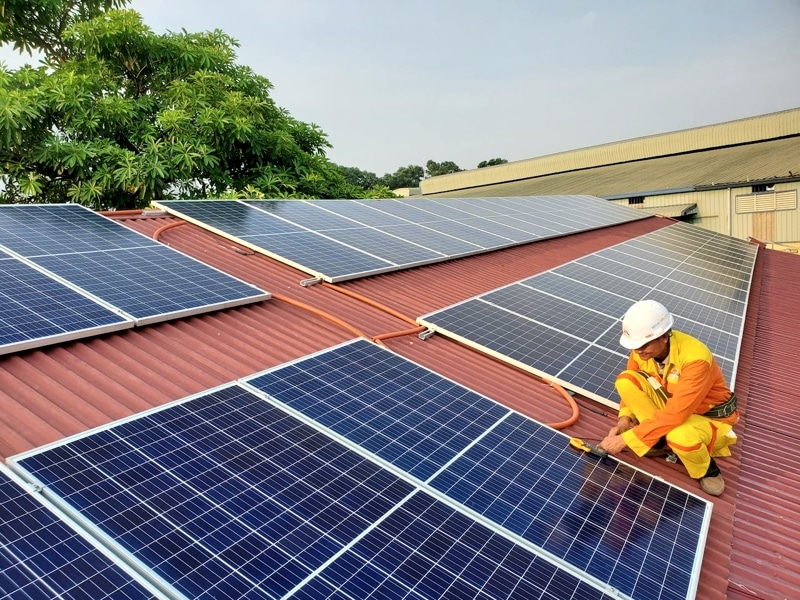
Electricity is one of the biggest costs for factories, warehouses, and farms. Prices change often, and a power cut can stop work for hours. This is why many companies are now turning to the sun. A solar plant on your own roof or land can make power every sunny day. In this guide, we explain how промислові сонячні електростанції work, which types exist, and how to plan a project step by step.
Why Businesses Choose Solar Energy
The main reason is simple: you make part of your own power, so you buy less from the grid. Here are the biggest benefits:
- Lower bills: Solar power made on site costs less over time than power bought at grid prices.
- More stable costs: You are less affected when tariffs go up.
- Backup power: With batteries, key equipment can keep running during an outage.
- Clean image: Customers and partners like companies that use green energy.
How an Industrial Solar Plant Works
A solar plant has a few main parts. Solar panels catch sunlight and turn it into direct current (DC). Inverters change DC into alternating current (AC), which your machines and lights can use. Strong mounting structures hold the panels on a roof or on the ground. Meters and monitoring tools show how much power you make and use.
The plant works together with your existing electrical system. During the day, your business uses solar power first. If you need more, the rest comes from the grid.
Three Common System Types
Not every business needs the same setup. The right choice depends on how and when you use energy.
- Grid-tied system: The simplest option. It cuts your grid purchases during the day and suits companies that work mostly in daylight hours.
- Hybrid system: It combines solar panels, the grid, and storage. It helps keep work going when the grid fails.
- Hybrid system with battery storage: It saves extra solar energy for later use. This is a good fit for businesses that work around the clock.
Main Steps of Construction
A good project follows a clear plan. Most turnkey projects include these steps:
- An engineer visits the site and checks the roof or land and your power use.
- The team designs the system and selects the equipment.
- The grid connection is approved by the local operator.
- Workers install the structures, panels, and inverters.
- The plant is connected to your electrical system.
- The system is tested, launched, and handed over.
- Monitoring is set up, and regular service begins.
Small and medium projects can often be finished in a few weeks. Larger plants take longer because they need more design work and approvals.
What Affects the Price?
There is no single price for every business. The final cost depends on several things:
- The size of the plant, from a few dozen kilowatts to many megawatts
- The type of roof or ground and how hard it is to build on
- The quality and brand of panels and inverters
- Whether you add battery storage
- The cost and difficulty of the grid connection
Many companies also use bank loans or special credit programs to spread the cost over time. A detailed calculation for your site will show how fast the investment can pay back.
How to Choose the Right Partner
The company you pick matters as much as the equipment. Before you sign a contract, check these points:
- Does the company have finished projects you can look at?
- Does it offer full turnkey service, from design to service after launch?
- How long are the equipment and installation warranties?
- Will it help you with grid approvals and paperwork?
- Does it provide monitoring and support after handover?
Final Thoughts
Solar power is no longer only for big corporations. Small workshops, farms, and logistics centers can also gain from making their own energy. With a clear plan, quality equipment, and an experienced team, a solar plant can cut costs and make your business more secure for many years.
If you want to learn more about construction steps, system types, and financing, you can read the full service page here: https://generacia.energy/poslugy/budivnytstvo-promyslovykh-stantsij/