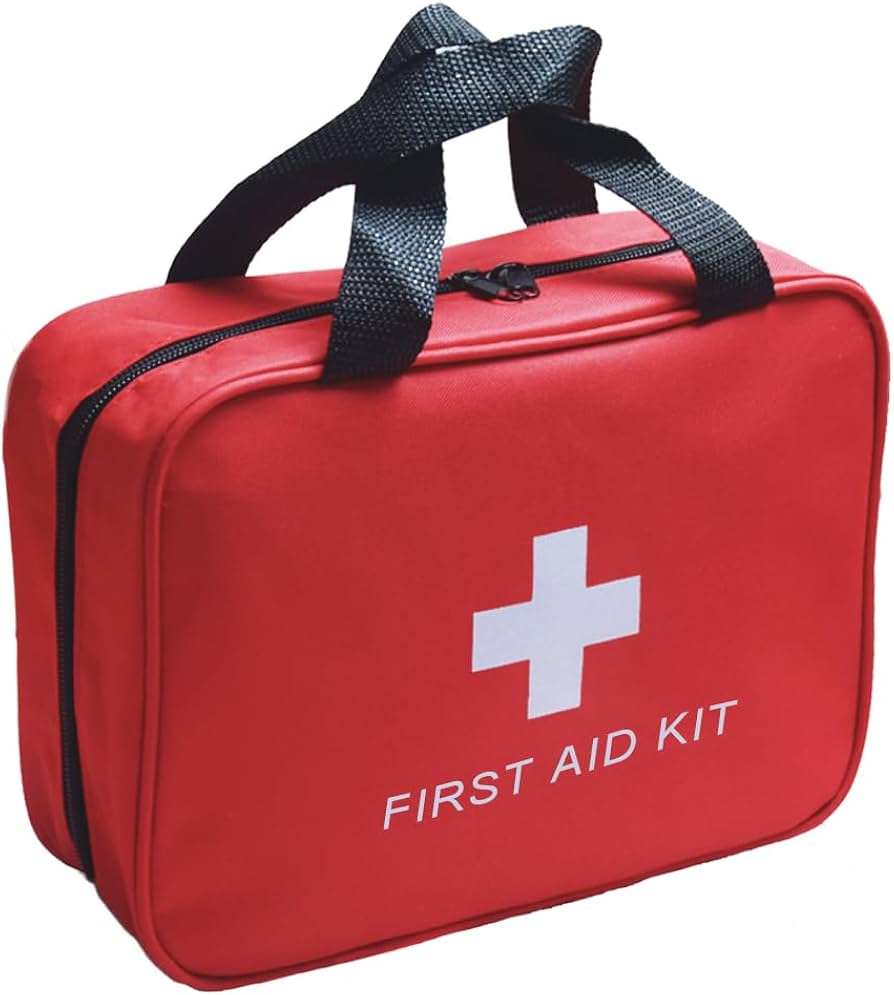
Workplace safety is not only about policies and equipment. It is about people who know how to respond when something goes wrong. Emergencies can happen without warning, including sudden injuries, medical incidents, fires, or accidents involving machinery. When staff members are properly trained in emergency response and first aid, they become the first line of defence. Their ability to act quickly and confidently can reduce harm, protect lives, and prevent situations from escalating.
Faster Response Saves Lives
During an emergency, every second matters. Waiting for professional medical services to arrive can take precious minutes, especially in busy industrial zones, large offices, or remote work sites. Trained employees can provide immediate care while emergency services are on the way.
Staff who have completed bundaberg first aid training understand how to assess a situation, secure the area, and provide initial treatment. They know how to control bleeding, assist injured coworkers, and position individuals safely to prevent further harm. This rapid response can significantly improve outcomes and reduce recovery time.
Confidence Reduces Panic
One of the biggest risks during workplace emergencies is panic. When people panic, confusion spreads, and valuable time is lost. Trained staff bring calm and structure to chaotic situations. They follow clear procedures, communicate effectively, and guide others to safety.
Training programs teach participants how to stay composed under pressure, prioritise actions, and coordinate with emergency responders. Employees who have completed a first aid course bundaberg gain practical experience through scenario based learning, which prepares them to handle real emergencies with confidence.
Effective CPR and Life Saving Skills
Cardiac arrest can occur without warning and requires immediate intervention. Without CPR, brain damage can begin within minutes. Having staff trained in cardiopulmonary resuscitation greatly improves survival chances.
Employees who attend cpr courses bundaberg learn how to perform chest compressions, provide rescue breaths, and use automated external defibrillators. These skills allow trained responders to sustain life until paramedics arrive. Workplaces that prioritise CPR training create safer environments where life-threatening events can be addressed quickly and effectively.
Reducing Workplace Injuries and Complications
Prompt first aid does more than address emergencies. It also prevents minor injuries from becoming serious medical problems. Quick treatment of cuts, burns, sprains, and falls reduces infection risk and promotes faster healing.
Trained staff understand injury assessment and proper treatment techniques. They can stabilise injuries, apply bandages correctly, and monitor symptoms until professional care is available. This proactive approach helps minimise downtime, supports employee well-being, and maintains workplace productivity.
Supporting Compliance and Safety Culture
Many workplace safety regulations require employers to provide trained first aid personnel and accessible emergency resources. Investing in staff training demonstrates commitment to compliance and employee welfare.
Beyond meeting requirements, training fosters a strong safety culture. Employees become more aware of hazards, adopt safer practices, and look out for one another. When workers know their colleagues are trained and capable, they feel more secure and confident in their work environment.
Strengthening Team Preparedness
Emergency preparedness is a shared responsibility. When multiple staff members are trained, response efforts become coordinated and efficient. Teams can assign roles, manage evacuations, and communicate with emergency services effectively.
Regular refresher sessions ensure skills remain sharp and up to date. Ongoing training reinforces awareness and ensures staff are ready to respond at any time.
Conclusion
Trained staff play a vital role in improving emergency response in the workplace. Their ability to act quickly, remain calm, and provide immediate care can save lives and prevent injuries from worsening. From performing CPR to managing workplace accidents, trained employees create safer, more resilient work environments.
Investing in first aid and emergency response training is not simply a compliance measure. It is a commitment to protecting people, strengthening workplace culture, and ensuring that when emergencies occur, the response is swift, confident, and effective.