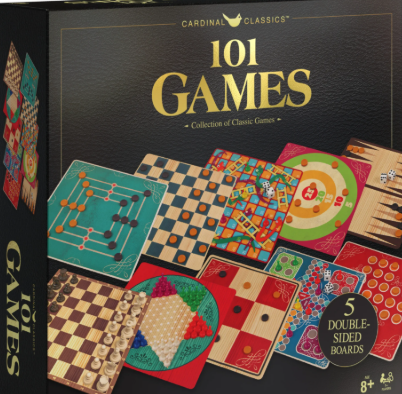
The 101 Game isn’t just a pastime for adults and competitive players—it’s also a fantastic tool for children to develop important skills while having fun. Combining elements of strategy, math, and critical thinking, the game can be both entertaining and educational. When introduced correctly, the 101 Game can help kids learn to focus, make decisions, and build social skills in a playful environment. This article provides practical tips and guidance for parents, teachers, and caregivers who want to make the 101 Game a fun and educational experience for children.
1. Why the 101 Game is Great for Kids
The 101 Game offers several benefits for children beyond just entertainment:
- Cognitive Development: The game encourages logical thinking, problem-solving, and decision-making skills.
- Math Skills: Keeping score, calculating points, and understanding sequences helps children practice basic arithmetic in a practical context.
- Strategic Thinking: Kids learn to plan ahead, weigh options, and consider potential outcomes before making moves.
- Social Interaction: Playing with friends or family fosters teamwork, communication, and friendly competition.
By emphasizing both learning and fun, the 101 Game becomes a valuable tool for holistic development.
2. Choosing the Right Version for Kids
The 101 Game comes in multiple variants, some of which may be more suitable for children:
- Simplified Rules: Opt for versions with fewer complex rules to ensure kids can grasp gameplay quickly.
- Shorter Sessions: Children have shorter attention spans, so games with faster rounds help maintain engagement.
- Colorful and Interactive Designs: Visual and interactive elements make the game more appealing to younger players.
- Age-Appropriate Challenges: Ensure that scoring and actions match the child’s skill level, so they feel challenged without frustration.
Selecting the right version sets the stage for a positive and engaging experience.
3. Teaching Kids the Basics
Before diving into the full game, children should understand the fundamentals:
- Explain the Objective Clearly: Let kids know the goal is to reach 101 points (or a set target) while following the rules.
- Introduce Turn-Taking: Practice the concept of taking turns and waiting patiently, an important social skill.
- Demonstrate Scoring: Use examples to show how points are calculated, emphasizing simple arithmetic in a fun way.
- Encourage Questions: Make sure kids feel comfortable asking questions about rules or strategies.
Starting with a clear foundation ensures that kids enjoy the game without confusion.
4. Making the Game Fun and Engaging
Keeping children engaged is crucial for both enjoyment and learning:
- Use Rewards and Praise: Celebrate achievements, whether it’s scoring points, winning a round, or making a smart move.
- Add Themes: Incorporate themes, such as animals, superheroes, or adventure, to make gameplay more exciting.
- Play in Teams: Pairing kids into small teams encourages collaboration and reduces competition-related stress.
- Short Challenges: Create mini-challenges within the game to maintain excitement and focus.
Fun and engagement are the keys to making the 101 Game an appealing learning tool.
5. Incorporating Educational Elements
Parents and educators can use the 101 Game to reinforce educational concepts:
- Math Skills: Practice addition, subtraction, multiplication, and even probability during scoring.
- Critical Thinking: Encourage children to plan moves, anticipate outcomes, and evaluate options.
- Memory Development: Remembering past moves or bonus opportunities exercises memory skills.
- Decision Making: Teach kids to make decisions based on potential rewards and risks.
By framing educational content within gameplay, learning becomes natural and enjoyable.
6. Introducing Strategy Gradually
While the 101 Game involves strategic thinking, it’s important to introduce it to kids gradually:
- Start Simple: Focus on basic strategies like choosing high-value moves over random actions.
- Discuss Options: Encourage kids to think aloud and consider multiple options before deciding.
- Introduce Risk and Reward: Teach the concept of calculated risks in a low-pressure environment.
- Celebrate Smart Choices: Highlight when a child’s strategy leads to a positive outcome, reinforcing learning.
Gradual introduction ensures that children develop strategy skills without feeling overwhelmed.
7. Encouraging Social Skills
The 101 Game is an excellent platform for fostering social development:
- Turn-Taking and Patience: Kids learn to wait for their turn and respect others’ choices.
- Communication: Discussing moves and strategies encourages polite conversation and listening skills.
- Sportsmanship: Winning and losing gracefully teaches resilience and empathy.
- Conflict Resolution: Encourage resolving disputes calmly if disagreements arise during gameplay.
Social skills gained through the game often translate into broader interpersonal abilities.
8. Making It a Family Activity
Playing the 101 Game as a family strengthens bonds while providing educational value:
- Model Good Behavior: Adults demonstrate strategic thinking, patience, and sportsmanship.
- Interactive Learning: Parents can ask questions about scoring or moves to reinforce learning.
- Shared Experience: Playing together creates memories and encourages children to enjoy games without screens.
- Flexible Rules: Modify rules slightly to suit the child’s level, ensuring an inclusive and positive experience.
Family play combines learning, fun, and connection in one engaging activity.
9. Using Technology Wisely
Many digital versions of the 101 Game are available for kids, offering interactive learning experiences:
- Educational Apps: Some versions integrate math and strategy exercises into gameplay.
- Visual Feedback: Digital interfaces can show point accumulation and highlight patterns, aiding understanding.
- Safe Online Play: Ensure that online gameplay is supervised or limited to child-friendly platforms.
- Interactive Tutorials: Digital guides help kids learn rules and strategies quickly.
Technology can complement traditional play while enhancing engagement and learning outcomes.
10. Tips for Parents and Educators
To maximize both fun and educational value, parents and educators should consider the following tips:
- Start Slow: Begin with short, simple sessions and gradually increase complexity.
- Focus on Learning, Not Just Winning: Praise effort, creativity, and strategy, not just points.
- Encourage Reflection: After each game, discuss what strategies worked and why.
- Be Patient: Allow children to explore, make mistakes, and learn from them.
- Mix Education with Play: Integrate math, memory, and decision-making exercises naturally into the game.
By following these tips, adults can ensure that children enjoy the game while developing valuable skills.
Conclusion: Making the 101 Game a Learning Adventure
The 101 Game is much more than a pastime for kids—it is a tool for learning, creativity, and social growth. With the right approach, children can develop math skills, strategic thinking, memory, and social abilities while having a blast. Selecting an age-appropriate version, teaching rules clearly, and gradually introducing strategy ensures that kids are both challenged and entertained.
Incorporating fun elements, family participation, and occasional digital tools enhances engagement and educational value. Encouraging reflection, patience, and social interaction helps children gain skills that extend beyond the game.
Ultimately, the 101 Game for kids is an opportunity to combine learning and play in a way that is enjoyable, memorable, and intellectually stimulating. With careful guidance and creative approaches, children can master the game, build confidence, and develop critical skills that will benefit them in school and beyond.